

as Detection Meters
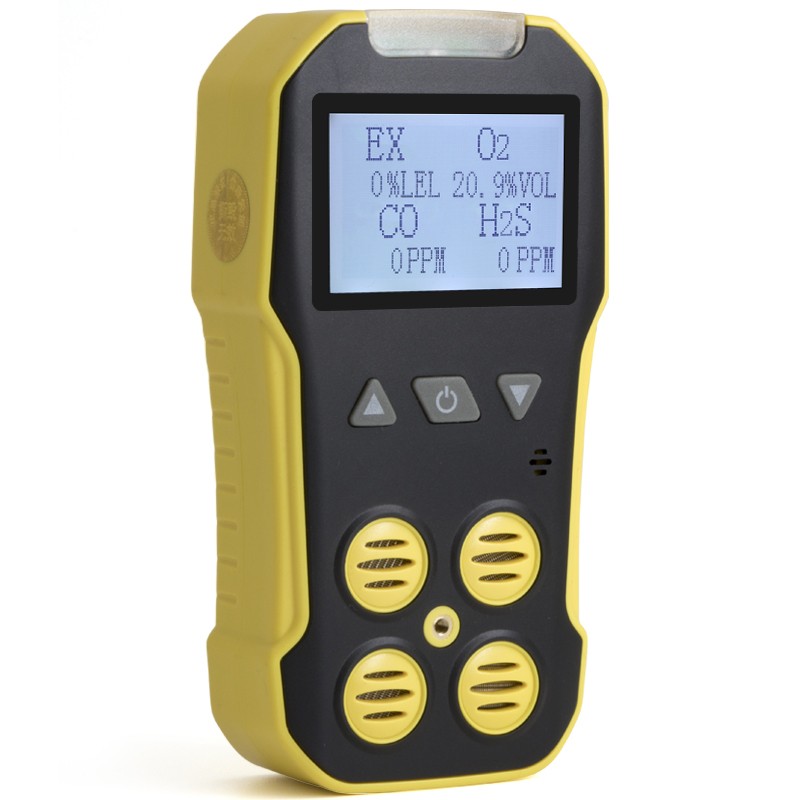
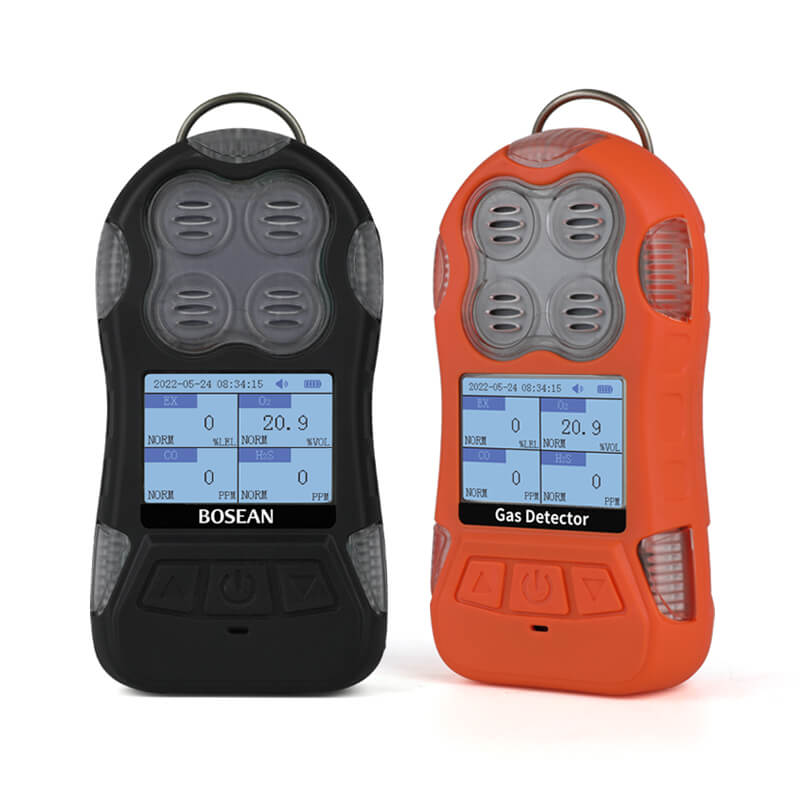
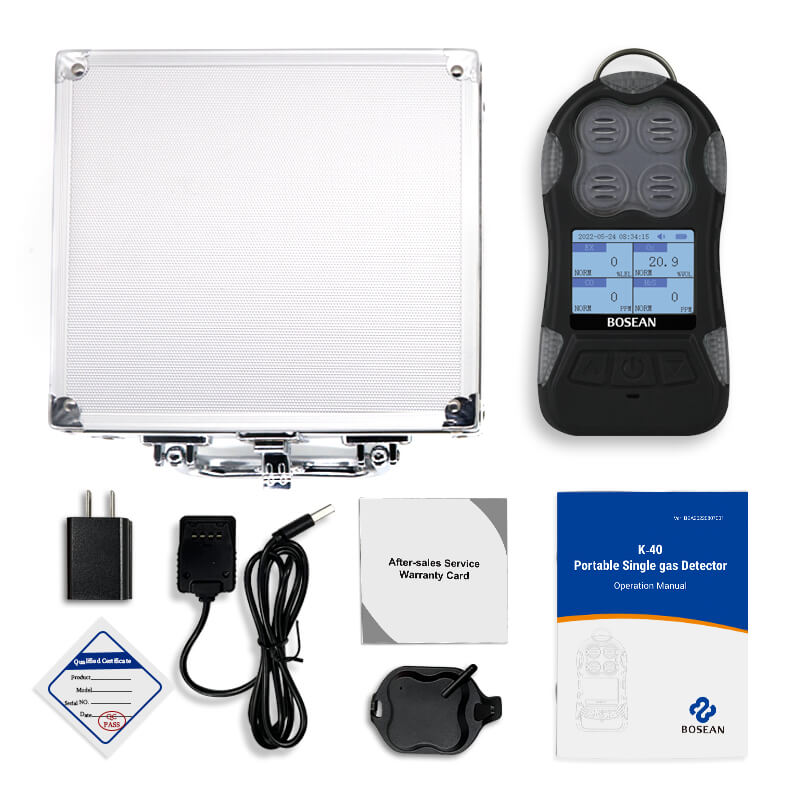
Gas detection meters are essential safety instruments designed to detect, measure, and monitor the presence of hazardous, toxic, combustible, or oxygen-deficient gases in the air. They play a critical role in protecting personnel, equipment, and facilities across industrial, commercial, laboratory, and environmental applications.
These instruments are used in environments such as wastewater treatment plants, chemical processing facilities, mines, confined spaces, manufacturing sites, laboratories, and indoor air quality monitoring. Depending on the application, gas detection meters may be configured for single-gas or multi-gas monitoring and can provide real-time readings, audible and visual alarms, and data logging for compliance and reporting.
Modern gas detection meters employ advanced sensor technologies including electrochemical, infrared (IR), catalytic bead, photoionization (PID), and semiconductor sensors, ensuring accurate and reliable measurement of gases such as oxygen (O₂), carbon monoxide (CO), hydrogen sulfide (H₂S), methane (CH₄), volatile organic compounds (VOCs), and many others.
Available in portable, wearable, and fixed configurations, gas detection meters range from compact personal safety devices to robust industrial monitors integrated into automated safety systems. Many models offer features such as calibration reminders, pump-assisted sampling, wireless connectivity, and compatibility with safety and control systems.
Whether used for routine safety checks, continuous area monitoring, leak detection, or regulatory compliance, gas detection meters are a critical component of any effective gas safety and environmental monitoring strategy.
-
 Add to cartQuick View
 -
 Add to cartQuick View
 -
 Add to cartQuick View
 -
 Add to cartQuick View
